Between Silicon and Soul
    Sign InJoin the Conversation
    Cohort · 1946–1964

    Baby Boomers

    The Bridge Generation — From analog wisdom to digital transformation

    Lifecycle

    Lifecycle Timeline

    Born 1946-1964 · Assumed lifecycle through 2044-2062

    1

    Birth & Early Childhood

    1946-1964
    Age 0

    Post-WWII optimism, economic boom

    2

    School Years

    1960s-1970s
    Age 6-18

    Civil Rights Movement, Vietnam War, Moon Landing

    3

    Young Adulthood

    1970s-1980s
    Age 18-30

    Watergate, Energy Crisis, Personal Computing begins

    4

    Peak Career & Family

    1980s-1990s
    Age 30-45

    Rise of Wall Street, Internet emergence

    5

    Leadership Years

    2000s-2010s
    Age 45-65

    9/11, Financial Crisis, Social Media explosion

    6

    Pre-Retirement/Retirement

    2010s-2020s
    Age 55-75

    Smartphone ubiquity, Political polarization

    7

    Elder Years

    2020s-2030s
    Age 65-85

    AI revolution, Climate action, Digital transformation

    8

    Legacy Phase

    2030s-2060s
    Age 75+

    Passing wisdom to younger generations

    Voices

    Voices from the Generation

    Real perspectives from real people

    "We lived through so much change—from party lines to smartphones. Each generation thinks they invented innovation, but we've been adapting our whole lives."
    Margaret R.
    Retired teacher, grandmother of four
    Age 72
    Denver, CO
    "The world my grandchildren are growing up in is unrecognizable from my childhood, yet the fundamental human needs remain the same."
    Robert K.
    Former engineer, now mentoring startups
    Age 68
    Austin, TX
    By the Numbers

    Key Statistics & Demographics

    Understanding the scale and economic impact of this generation.

    71.6M
    US Population
    842M
    Global Population
    $62,450
    Median Income
    $70 trillion
    Economic Power

    Generation Profile

    Birth Years
    1946-1964
    Current Age Range
    60-78
    Homeownership Rate
    79.1%
    Labor Force %
    25.2%

    Economic Impact

    Spending Power$70 trillion
    Workforce Participation25.2%
    Layer D · Micro-Segments

    Boomer Micro-Segments

    Eight distinct groups within the Baby Boomer generation, each with unique characteristics, behaviors, and needs.

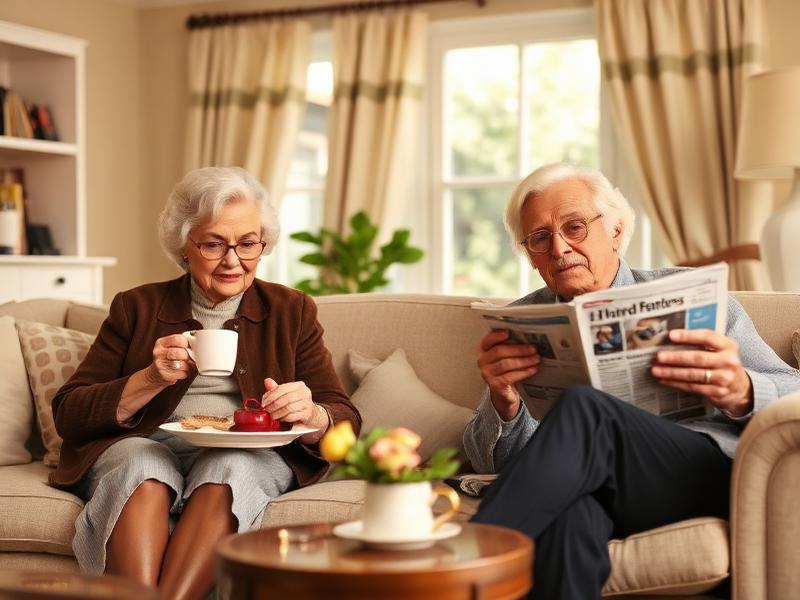
    Active Agers
    22%

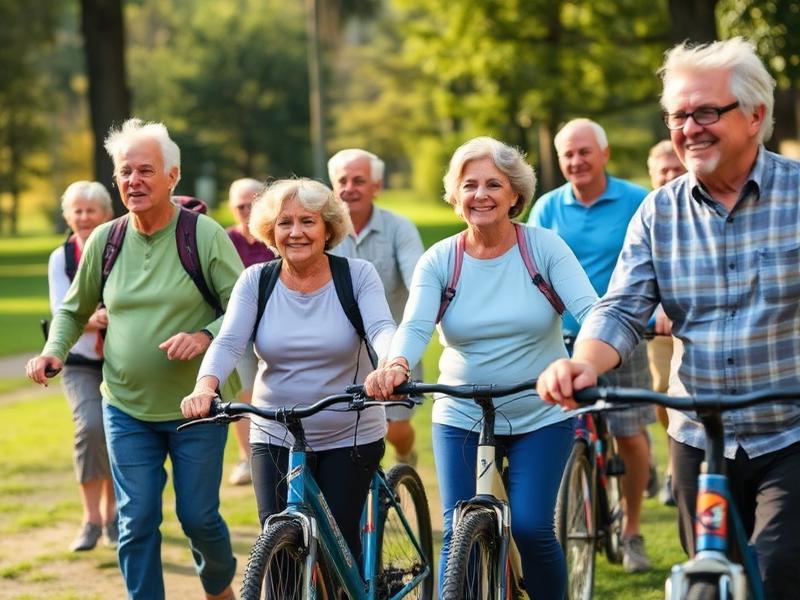
    Active Agers

    Health-conscious Boomers embracing fitness, travel, and lifelong learning. They view retirement as a chance to pursue active lifestyles and new experiences, often outpacing younger generations in wellness activities.

    Legacy Builders
    18%

    Legacy Builders

    Purpose-driven Boomers focused on mentorship, philanthropy, and knowledge transfer. They're creating foundations, writing memoirs, and dedicating time to causes that will outlast them.

    Comfortable Conservatives
    16%

    Comfortable Conservatives

    Financially secure Boomers preferring traditional values and proven approaches. They enjoy their established routines, trusted brands, and prefer gradual change over disruption.

    Solvent Skeptics
    14%

    Solvent Skeptics

    Well-positioned Boomers who remain cautious about economic and social changes. Despite financial comfort, they're concerned about inflation, technology disruption, and societal shifts.

    Late-Career Strivers
    12%

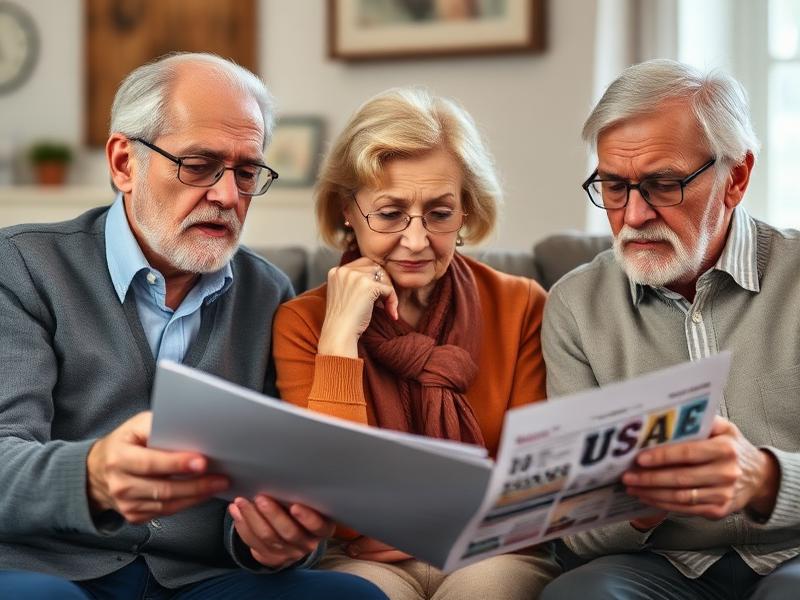
    Late-Career Strivers

    Ambitious Boomers continuing to work past traditional retirement age. Whether driven by financial necessity or passion, they're redefining what it means to age in the workforce.

    Carebound & Connected
    8%

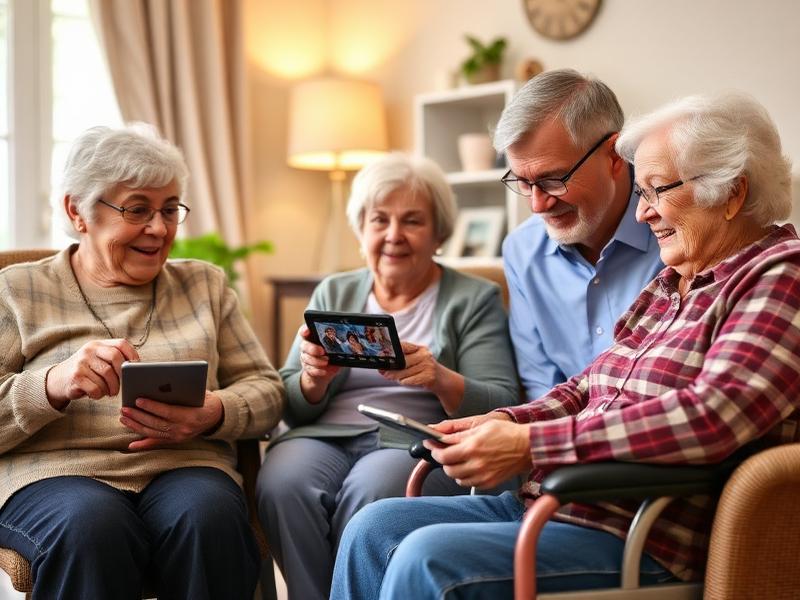
    Carebound & Connected

    Boomers managing health challenges while staying digitally engaged with family and community. They've embraced technology for healthcare management and maintaining social connections.

    Carebound & Financially Dependent
    6%

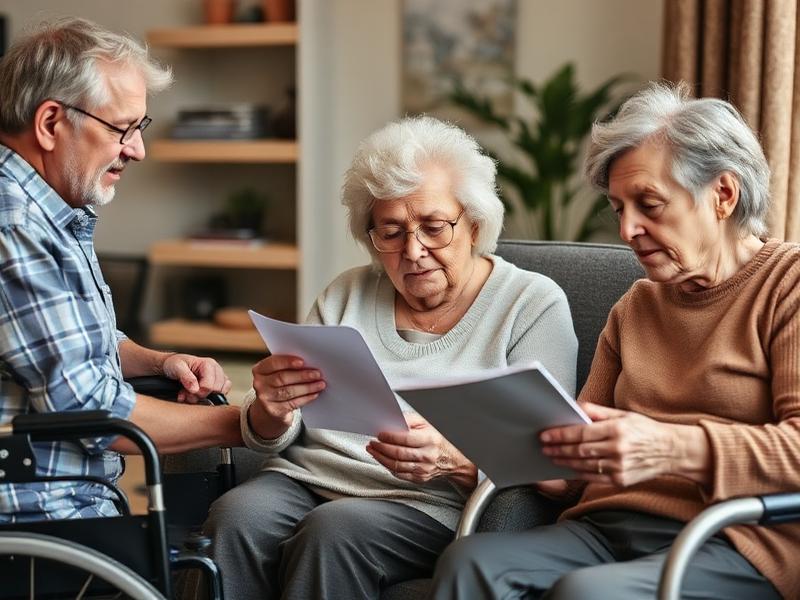
    Carebound & Financially Dependent

    Boomers requiring care assistance while facing financial constraints. They depend on family support, government programs, or community resources to meet their daily needs and healthcare costs.

    Independent, Fixed Income
    4%

    Independent, Fixed Income

    Self-sufficient Boomers living on pensions, Social Security, and savings. They maintain their independence through careful budgeting and resourceful living while staying within modest means.